

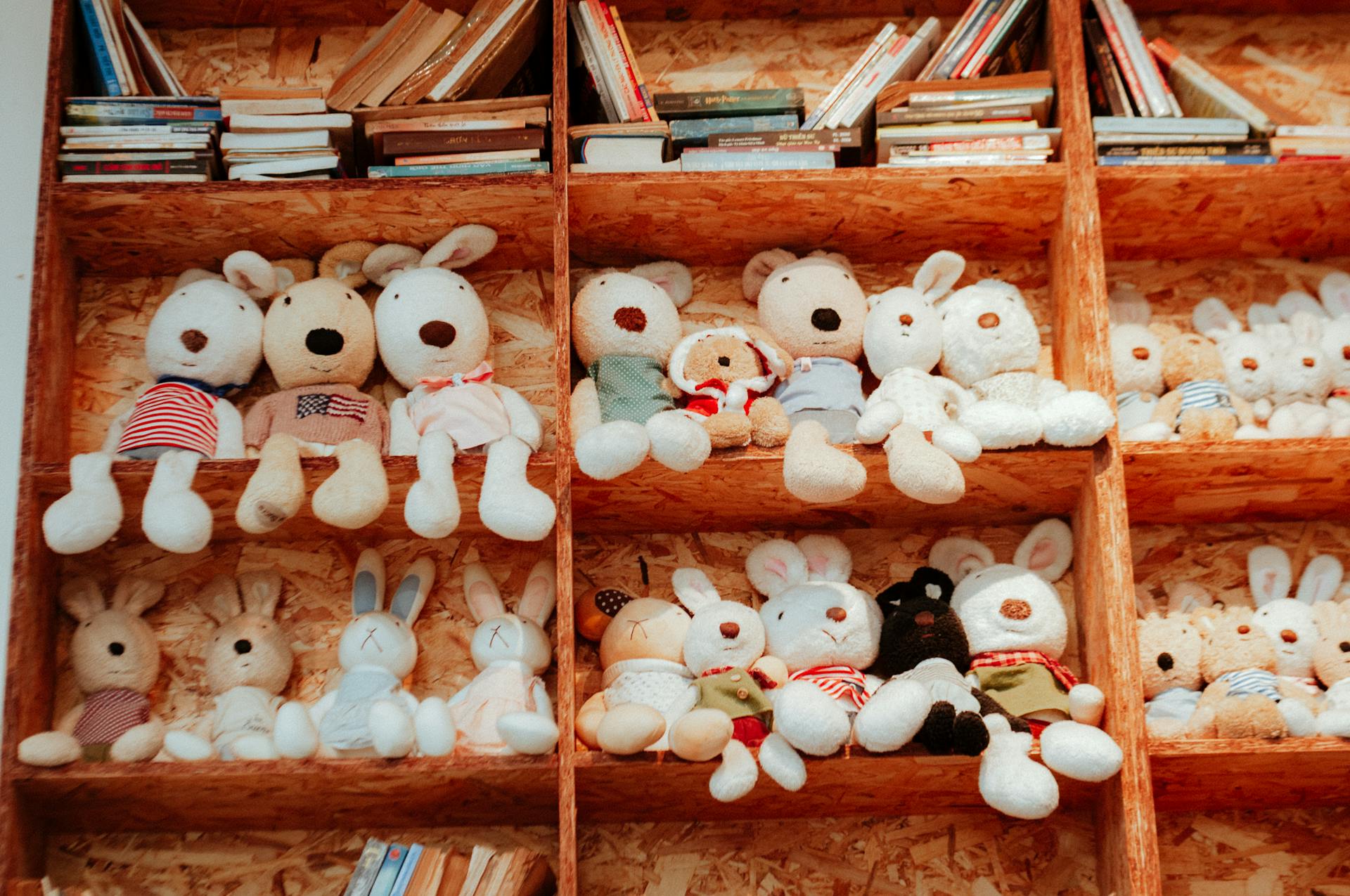
A children’s book about missing toys often reflects one of the most emotional experiences in early childhood. For many young children, toys are not just objects. They are companions, sources of comfort, and part of everyday life. When those toys are lost, left behind, or suddenly gone, the feelings can be surprisingly big.
Where Are All My Toys? by Dr. Sam Rodriguez Morhaim takes this familiar childhood concern and turns it into a heartfelt story that helps children understand change, loss, and emotional growth in a gentle and reassuring way.
Why the Missing Toy Theme Connects So Deeply
Children form strong attachments to the things that make them feel safe and happy. A favourite stuffed animal, a special figurine, or a beloved toy set often becomes part of their daily routine and identity.
This children’s book about missing toys captures that emotional reality. The story reflects the worry, confusion, and sadness a child may feel when something important is no longer there. Because the situation feels real and relatable, young readers quickly connect with the main character’s experience.
Instead of treating the loss as a small problem, the book acknowledges the emotions behind it. That validation helps children feel understood and reassured.
A Gentle Way to Talk About Big Changes
One of the strengths of Where Are All My Toys? is how it uses the idea of missing toys to introduce a larger message about life transitions. Without overwhelming young readers, the story shows that sometimes changes happen that are outside a child’s control.
For parents and educators, this makes the book especially valuable. It opens the door to conversations about moving, starting a new school, adjusting to new environments, or facing unexpected changes.
Because the story is told through a child’s perspective, the message feels supportive rather than instructional. Children see that feeling sad or uncertain is normal, and that change can be managed step by step.
Supporting Emotional Resilience and Security
A well-written children’s book about missing toys does more than describe a loss. It helps children learn how to cope with difficult feelings.
Throughout the story, the emotional focus shifts from what is missing to what remains important. Young readers are gently guided toward ideas such as family support, new experiences, and the ability to adapt over time.
This emotional progression builds resilience. Children learn that while something familiar may be gone, their sense of safety and belonging can still grow in new ways.
Why Parents and Educators Value This Book
Where Are All My Toys? offers more than a story. It provides a practical tool for supporting children during periods of change.
After reading, adults can start simple conversations such as:
- What is your favourite toy and why?
- How would you feel if you couldn’t find it?
- What helps you feel better when something important changes?
These discussions help children name their emotions and think through real-life situations in a calm and supportive environment.
The book is especially helpful for families preparing for transitions such as relocation, travel, school changes, or any situation where a child’s routine may shift.
More Than a Story About Toys
What makes this children’s book about missing toys stand out is its deeper emotional message. The story respects how important toys feel to children while gently showing that comfort, love, and connection matter even more.
Rather than focusing only on loss, the book emphasizes growth, adjustment, and the ability to find security even when circumstances change.
This balance makes it suitable for bedtime reading, classroom discussions, or any moment when a child may need reassurance.
Final Thoughts
Where Are All My Toys? works because it understands childhood emotions. It takes a simple concern and transforms it into a meaningful story about change, resilience, and emotional strength.
For families looking for a thoughtful children’s book about missing toys, this story offers both comfort and guidance. It helps young readers see that even when something important is missing, they still have the support, courage, and love they need to move forward.